
THE PART OF THE WORLD WE GET TO CHOOSE
The plan was Chicago. A girls’ group home, a year of volunteer service, my Catholic college roommates scattered to similar posts in similar cities. I had been preparing for some version of this since I was small. My mother modeled service the way other mothers modeled grocery shopping. By high school I had the most community service hours in my graduating class, a Girl Scout Gold Award, and an officer’s seat in the Key Club. The path was paved.
Then I graduated and realized I had not spent any real time with my sister, who was the same age as the girls in Chicago. I went home. The first thing I ever chose about this work was a choice not to do what was expected.
The next few years were a series of small wrong turns. A summer at a PR firm in 1998, copying press mentions with glue, mailing them to clients, working for seven women none of whom wanted to be there, getting paid twenty-three thousand dollars a year. I was babysitting on the side for one of my old camp counselor moms when I told her what I actually wanted: a nonprofit, event planning, something that mattered. The United Way’s event planner had just quit. I had a job within the week.
A year in I hit the ceiling. The roles I wanted required a master’s degree. Higher education looked like the right next door, so I went and got the degree. The through-line was already obvious to me by then, even if I would not have used these words: I wanted to do something that mattered. My whole family is in sales. As a frontline fundraiser I used to say I was the Robin Hood for rich people, helping them do something good with what they had. The framing was not a joke. It was the most honest description I had of what I was doing. My background was the material, not the obstacle.
What I noticed once I was inside the work, and then noticed again across every organization I touched, is that there is one thread connecting all of them. The people who show up for this work want to help people. That is the entire qualifying criterion. It is also, as far as I can tell, the part of the world we actually get to control. Whatever is happening politically, whatever is happening to the economy, whatever is being argued about on television, we can still stand up nonprofits and take care of them and do the work in them. That is democratization, in the form of a 501(c)(3).
I want to be careful with the love letter here, because there is a piece of this I have spent twenty-five years arguing with, and it deserves to be named. We say time, talent, and treasure are equal. They are not measured equally. As a frontline fundraiser my goals were always treasure. The other two were celebrated in the annual report and absent from the dashboard. The result is that organizations underweight the contributions that built them and overweight the contributions that funded them, which is a structural problem that shows up later as confused identity, mismatched programming, and donor fatigue. I love this work and I think we are still counting it wrong. Those two things can be true at the same time.
What I believe nonprofits are actually for is foundational. Food, shelter, clothing, education. That last one is not optional, and I would put it higher on the list than most people are comfortable with. An educated populace behaves differently than an uneducated one. That is not a partisan claim. It is the reason public libraries and community colleges and adult literacy programs exist, and it is the reason the organizations doing that work deserve far more credit than they get.
The reason I love this sector, after twenty-eight years inside it, is the same reason I started in it. Nonprofits add hope. They add it for the people who use them, for the people who work in them, and for the rest of us watching what becomes possible when human beings decide to help each other a little bit differently. That is the glimpse. Every organization in this sector is, in some quiet way, holding that glimpse open.
The choice my twenty-two-year-old self made to go home and be with her sister instead of fly to Chicago turned out to be the same choice I keep making at every stage of this work. Presence over plan. The part of the world we get to shape, deliberately.
That is what I love.
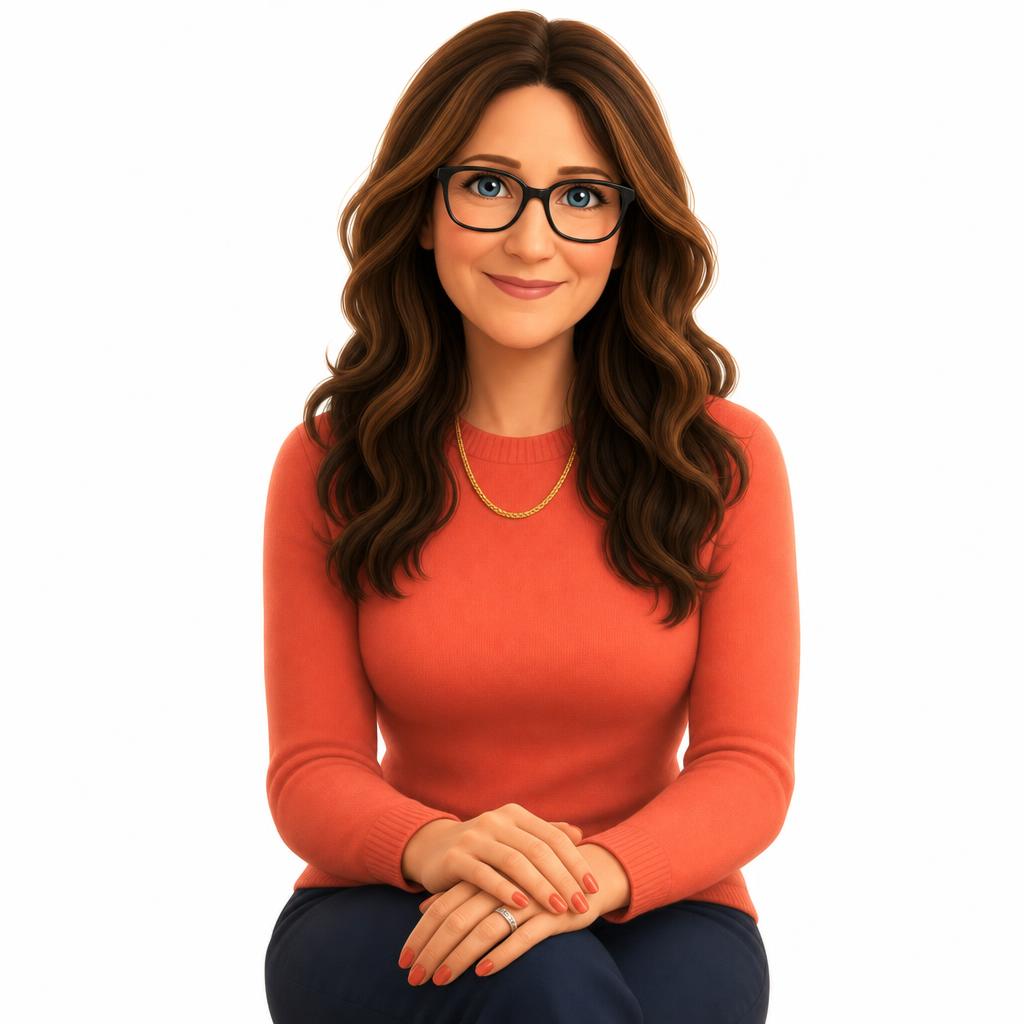
Erin Peshoff is the Chief Curator of Vivia Studios. She has spent thirty years inside nonprofit operations, helped raise over $100 million for institutional missions, and built Vivia around the operating discipline most strategic engagements skip.