
PROTECT WHAT IS WORKING BEFORE YOU SYSTEMATIZE IT
When the systems strain, the instinct is to replace them. The spreadsheet has become unmanageable, the work is held together by a few people’s memory, and the obvious next move is to buy the platform that will finally make all of it legible. Most systems projects begin right there, with a list of what is broken.
A young, values-driven network came to this exact edge. In its first few years it had grown fast, almost entirely through relationships, and its whole operation lived in a multi-tab spreadsheet and a great deal of individual memory. The strain was real. People were spending hours maintaining tabs instead of advancing the work, the same relationship might exist in several places and agree with none of them, and no one could see the patterns across any of it. By every ordinary measure, it was time to buy a system.
Here is what made this engagement different. Before naming a single thing that was broken, the work started by naming what was working.
The question most systems projects skip
What is working here, and what would we lose if we automated it.
Because the messy spreadsheet was doing two jobs at once. It held the friction, and it held the knowledge: who trusted whom, which relationships were warming, the context that does not fit a dropdown menu. The network’s growth was being driven by exactly that nuance, the relational judgment that a standard donor database is built to flatten into fields. The real danger sat on the far side of the obvious one. The wrong system would quietly erase the very thing that was generating the growth.
That is how a strength gets systematized into a weakness. You automate the follow-up and oversaturate the people you were carefully tending. You force evolving, overlapping relationships into single categories and lose the texture that made them valuable. You buy efficiency and pay for it in trust.
What the Intensive did
The Studio Intensive is a diagnosis, not a build. One focused working session, and a written snapshot a few days later. The snapshot mapped how information moved and where it leaked, the ordinary work of any systems review. But it opened by documenting the assets, the relational trust and the quality of the programs, and it treated those as things to protect rather than problems to solve.
Only then did it define what a future system actually had to do. Something closer to an intelligent relationship hub than a donor database. A system that would hold institutional memory and reduce the manual burden without dehumanizing the engagement, and that would leave room to keep experimenting rather than locking the organization into complexity it did not need yet. The requirements followed the strengths, not the other way around.
Why it saved money
The savings live in two mistakes that did not happen. The organization did not spend on the wrong system, the tidy database that would have suited a traditional fundraising shop and fought this one at every turn. And it did not pay the slower, harder cost of damaging its own working asset, the trust and the relationships, by automating them badly in the name of efficiency.
That second cost is the one almost no one budgets for, because it does not arrive as a line item. It arrives later, as the relationships that cooled, the nuance that got lost, the staff who stopped trusting a system that did not fit how they actually work. The Intensive priced it before it was paid.
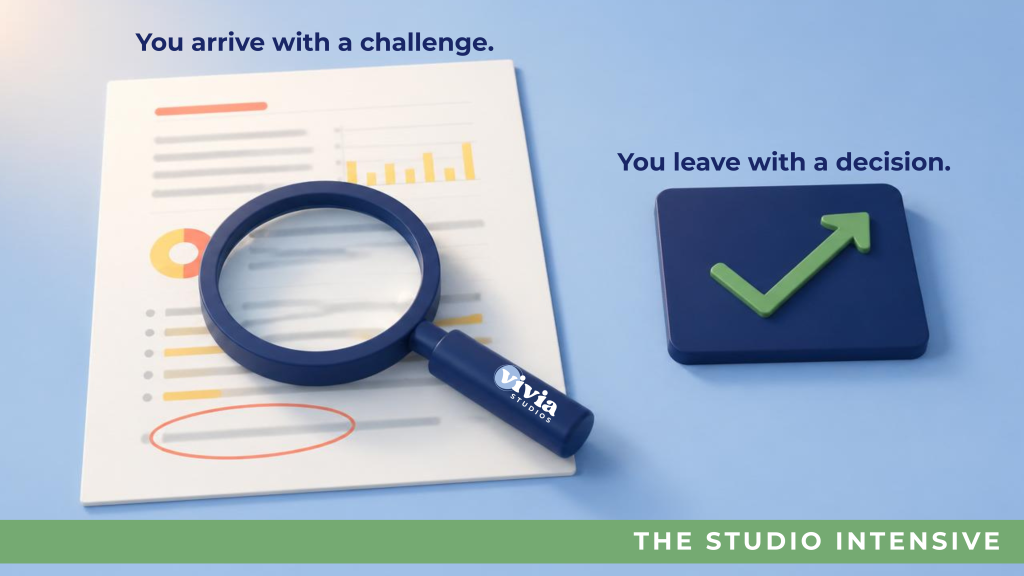
Edit before you build. Protect before you automate.
The work always starts in the same place, by naming what is working before touching what is broken. That is where we begin at Vivia Studios.
Erin Peshoff is the Chief Curator of Vivia Studios. She has spent thirty years inside nonprofit operations, helped raise over $100 million for institutional missions, and built Vivia around the operating discipline most strategic engagements skip.